





"Man boobs" is one phrase covering several different causes. Sometimes the issue is true gynecomastia, which means enlargement of glandular breast tissue. Sometimes it is chest fat. Sometimes it is a mix of both. And sometimes it is a clue that something else in the body deserves attention. That is why the most useful question is not just “how do I hide it?” but also “what is causing it?”
The answer usually comes back to hormones, body fat, life stage, medication, or an underlying health issue. In many cases, the cause is harmless and common. In others, it is worth checking with a doctor. The good news is that once you understand the likely reason, the next step becomes much clearer.
Hormonal shifts
The core driver of true gynecomastia is usually a shift in the balance between estrogen and testosterone. Men have both hormones, and when that balance changes, breast tissue can grow. This can happen even without anything dramatic being “wrong” in the background.
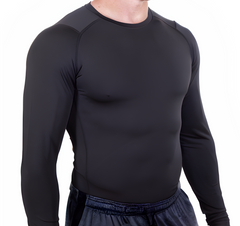
What to do: if the tissue is new, tender, or changing, it is worth discussing with a doctor rather than guessing. If the appearance is your main concern right now, a compression shirt can help immediately under clothing while you figure out the cause. The Original Compression Shirt is the most direct option when chest flattening is the priority.
Body fat
Not all male chest fullness is glandular gynecomastia. Sometimes it is pseudogynecomastia, meaning fat stored in the chest area. This is common, especially in men who tend to carry body fat in the upper body. It can look similar in a shirt, but the cause is different.
What to do: if chest fullness is mainly related to body fat, overall fat loss is the most useful long-term strategy. You cannot spot-reduce the chest specifically, but reducing total body fat can reduce chest fat too. In the meantime, compression still helps with appearance under clothes. For the full distinction, read Gynecomastia vs Chest Fat.
Puberty
Puberty is one of the most common times for gynecomastia to appear. Hormone levels shift quickly during adolescence, and breast tissue can temporarily develop in response. It may affect one side or both, and it often causes a lot more anxiety than the medical situation actually warrants.
What to do: in many teen cases, the main treatment is time and reassurance. Pubertal gynecomastia often improves on its own. But that does not mean a teen should just “deal with it” emotionally. Clothing strategies and compression can make daily life easier while the body settles. For a fuller guide, read Gynecomastia in Teenagers.
Aging
Male chest enlargement becomes more common again later in life. As men age, testosterone levels can decline, body fat can increase, and the hormone balance that once kept breast tissue in check can shift. That is one reason gynecomastia is seen more often in middle-aged and older men.
What to do: do not assume “it is just age” without thinking it through. If the change is gradual and otherwise fits the bigger picture, it may be benign. But it is still reasonable to review medications, weight changes, alcohol use, and other health factors with a doctor. Appearance-wise, compression and smarter clothing choices are often the fastest practical help.
Medications and steroids
A wide range of medications have been linked to gynecomastia, including some hormone-related treatments, psychiatric medications, ulcer or reflux medications, and other prescription drugs. Anabolic steroids are also a major cause because they disrupt the hormone balance that normally regulates breast tissue.
What to do: do not stop a prescribed medication on your own, but do ask whether it could be contributing. If steroids are part of the picture, stopping and getting medical guidance is the real solution — not just trying to train around the problem. If the chest appearance is bothering you day to day, compression can still help while you deal with the underlying cause.
Alcohol and cannabis
Heavy alcohol use and cannabis use are both commonly discussed in relation to gynecomastia, and substance use can play a role in hormone disruption for some men. Alcohol can also contribute indirectly through liver stress and body-fat gain, both of which can worsen the problem.
What to do: if this cause may apply to you, honesty helps more than denial. Cutting back can be a meaningful part of improving the situation, especially when the problem is new or getting worse. It is also a reason not to brush off persistent chest changes as “just bad luck.”
Medical conditions
Sometimes gynecomastia is a symptom rather than the main issue. Thyroid disorders, liver disease, kidney disease, hypogonadism, and certain tumors can all affect hormone balance and contribute to male breast enlargement. These causes are less common than puberty, body fat, or medication effects, but they matter because they change what should happen next.
What to do: seek medical evaluation if the chest change is rapid, painful, one-sided in a concerning way, associated with nipple discharge, or happening alongside other symptoms like fatigue, sexual changes, or unexplained weight shifts. The goal is not panic. It is simply not missing something important.
What to do next
If you are dealing with male chest enlargement, start by asking the right question: does this feel more like glandular tissue, body fat, or a recent change that deserves a doctor’s opinion? That alone usually narrows the next step. If you want help distinguishing the first two, start with Gynecomastia vs Chest Fat.
If your priority is looking flatter in clothes right now, a compression shirt is the simplest same-day tool. The Original Compression Shirt is the strongest chest-focused option, and How to Hide Gynecomastia covers broader clothing tactics. If the change is new, painful, rapidly worsening, or clearly unusual, get it checked instead of guessing.
This article is for general information and is not medical advice. Male breast enlargement can be harmless, but persistent, painful, one-sided, or rapidly changing symptoms should be evaluated by a medical professional.


