




If you are unhappy with how your chest looks, one of the first useful things to figure out is what you are actually dealing with. Gynecomastia and simple chest fat look similar from the outside but are different underneath, and knowing which one you have shapes everything about how you approach it.
The core difference
Gynecomastia is the growth of actual breast gland tissue, driven by hormones. Chest fat, sometimes called pseudogynecomastia, is exactly what it sounds like: fatty tissue sitting over the chest muscle, related to your overall body fat rather than to gland growth. Both create a fuller chest appearance, but one is glandular and the other is fat, and that distinction matters.
A simple way to tell them apart
There is a rough self-check many people use. True gynecomastia usually feels like a firm, rubbery, disc-shaped mound of tissue located right behind and around the nipple. It can be tender to the touch. Chest fat, by contrast, feels soft and uniform throughout, with no firm central lump, and it is usually not tender. If you gently feel the area and notice a distinct firm disc under the nipple, that points toward glandular tissue; if it is soft all the way through, that points toward fat.
This is only a rough guide, not a diagnosis. The two can feel similar, and the only way to know for certain is a proper assessment by a doctor, who can examine the tissue and, if needed, use imaging.
You can have both at once
To complicate things slightly, many men have a mix of the two: some glandular tissue and some excess fat together. This is common and completely normal, and it is part of why self-diagnosis is tricky and a professional opinion is worth getting.
Does losing weight fix it?
This is where the difference becomes practical. If your fuller chest is mostly fat, then losing weight through diet and exercise can genuinely reduce it. But if it is true glandular gynecomastia, weight loss will not remove the gland tissue, no matter how lean you get. Many frustrated men diet hard, lose fat everywhere else, and still have a chest they are unhappy with, precisely because the underlying tissue is glandular, not fatty. Knowing which you have saves you that frustration.
What each one means for your options
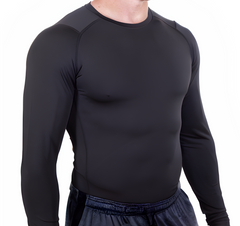
If it is mostly fat, the path is overall fat loss, and a compression shirt is a helpful confidence tool along the way. If it is glandular gynecomastia, your medical options depend on how long it has been there and its cause, which is a conversation for your doctor, and surgery is the definitive medical route for established cases. In every case, whichever you are dealing with, a compression shirt gives an immediate, discreet way to flatten the chest and feel comfortable in your clothing right now.
This article is general information, not medical advice. Only a qualified doctor can tell you for certain whether you have gynecomastia, chest fat, or both, and advise on treatment.


