




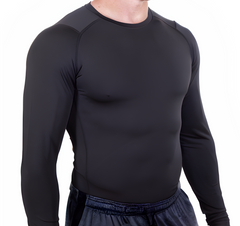

Compression is a standard part of recovery after gynecomastia surgery: it limits swelling, supports the skin as it re-adheres to the chest wall, and helps the final contour settle smoothly. Most surgeons will tell you to “wear compression,” but they rarely have time to explain what that looks like day by day, or how you transition from medical garments to everyday shirts you can wear long term. This guide breaks the process into clear stages and shows where regular compression shirts fit in.
Rule #1: your surgeon's instructions win
Every point below describes what's typical. Your surgeon knows your procedure, your skin, and your healing history. If anything here differs from what they told you, their instructions win — always follow their specific plan first. Think of this guide as a map that helps their advice make more sense, not something that overrides it.
It’s also worth remembering that no two surgeries are exactly alike. Some men have small, focused gland removal; others have more extensive tissue and fat work. Some are young with great skin elasticity; others are older or coming from a higher body-fat starting point. Those differences change how long each compression stage lasts and how strict your wear schedule will be. Expect variation and don’t be alarmed if your timeline seems different from what you read online.
The typical stages of compression after gynecomastia surgery
Most recoveries follow a similar pattern, even if the exact dates move around. Broadly, there are three phases: medical-grade compression, firm second-stage garments, and everyday compression shirts worn by choice once you’re cleared.
Stage 1 (roughly the first 1–2 weeks): medical-grade compression
Immediately after surgery, you’re usually placed in a post-surgical vest or binder. This is not a regular compression shirt. It’s a medical device designed specifically for the early healing window. These vests tend to be:
- Very firm. They apply strong, even pressure to control swelling and keep the chest contour stable.
- Adjustable. Many have hook-and-eye or Velcro closures so your surgeon can tighten or loosen them as swelling changes.
- 24/7 garments. In this stage, you’re often told to wear compression essentially all the time, removing it only briefly for showering or dressing changes.
This is not the time to experiment with everyday shapewear. A regular undershirt, even a tight one, won’t provide the same support, and wearing the wrong thing too soon can interfere with healing. Your job in Stage 1 is simple: keep the surgical vest on exactly as instructed and focus on rest, walking as allowed, and following all wound-care directions.
Stage 2 (roughly weeks 2–6, varies widely): firm second-stage garments
As swelling goes down and your incisions begin to mature, many surgeons transition patients to a second-stage compression garment. This might be a pull-on vest or a very firm undershirt meant specifically for post-operative use. Compared to the initial binder, second-stage compression often feels:
- Less bulky. It’s usually closer to the look and feel of a tight undershirt.
- More practical for daily life. You may be allowed to remove it for short periods, or only wear it during the day, depending on your surgeon’s advice.
- More focused on refinement than “emergency” swelling control.
You may still not be ready for regular compression shirts here, but you’re moving in that direction. Some surgeons will OK certain everyday garments during this stage as long as they’re firm and supportive. If you’re unsure, ask directly, with the specific product in mind.
After clearance (commonly 6+ weeks): everyday compression by choice
At some point, your surgeon will say something like, “You no longer need medical compression.” This doesn’t mean you have to stop wearing compression entirely. It means you’re medically stable enough to choose what you want to wear.
Many men at this point:
- Keep wearing compression shirts because they like how their chest looks and feels under clothing.
- Find that a supportive base layer makes minor residual swelling or firmness more comfortable.
- Have gotten used to the way shirts fit over compression and prefer that silhouette.
This is where everyday garments like our Original Compression Shirt and Max Tank fit — not as medical devices, but as practical, comfortable base layers for daily life once you’re cleared.
What to look for in a post-clearance compression shirt
Once your surgeon says it’s safe to wear regular garments, you’ll want a shirt that supports your result without irritating healing tissues. The goal is firm, comfortable support that feels good for hours at a time, not harsh pressure that makes you want to take it off immediately.
Key features to look for include:
- Firm but comfortable chest compression. You should feel a gentle, steady hug around the chest rather than sharp tightness. If it’s painful or restricts your breathing, it’s too tight.
- Soft, flat seams. Raised seams can rub on sensitive skin and incision lines, especially in the first few months. Flat seams minimize friction and “printing” under outer shirts.
- Breathable, moisture-wicking fabric. Healing tissue and scar lines can get irritated quickly if you’re sweaty and overheated. A fabric that moves moisture away from your skin helps keep you comfortable and reduces chafing.
- Easy on/off. Lifting your arms straight overhead can remain uncomfortable for a while. A shirt that stretches enough to pull on and off without forcing extreme arm positions is helpful.
- Enough length to stay put. A longer torso cut helps keep the garment anchored and prevents rolling at the hem when you sit, drive, or reach.
Our Original Compression Shirt is built around these priorities: an extra-firm dedicated chest panel for flattening, flat seams, breathable fabric, and a longer tail that behaves like a classic undershirt with more support. For men who run warm or prefer less fabric on the arms, the Max Tank offers a sleeveless option with strong chest compression and a cooler feel.
Choosing between the Original and the Max Tank after surgery
Once you’re cleared for everyday compression, you might wonder which garment fits best into your new routine. Both options flatten and smooth the chest, but they solve slightly different problems.
The Original Compression Shirt tends to be the better fit if:
- You want the most coverage and support, especially through the upper chest and midsection.
- You wear a lot of dress shirts, polos, or layered outfits where a full undershirt feels natural.
- You still have some sensitivity around the armpit area and prefer fabric there rather than a tank edge.
The Max Tank often suits men who:
- Run hot or live in a warm climate and want less fabric overall.
- Mostly wear t-shirts and casual tops and prefer a less bulky base layer.
- Are in a later stage of recovery and want to gradually reduce how “held” they feel while keeping the chest looking flat.
Plenty of men end up using both: the Original for work days or times when they want maximum stability and shaping, and the Max Tank for weekends, workouts, or peak summer months.
Practical tips from the recovery period
Beyond choosing the right garment, a few simple habits make living with compression much easier while you heal:
- Own at least two garments. Whether you’re in medical vests or everyday compression shirts, having a backup means you’re not forced to skip compression on laundry day. It also lets you rotate pieces so the fabric has time to rebound.
- Wash gently. Use cold water and mild detergent, then air dry or use low heat. High heat in dryers breaks down elastic fibers and weakens compression over time, which is the last thing you want right after surgery.
- Mind your skin. In early weeks, skin can be extra sensitive. If your surgeon approves, wearing a thin cotton tee under a binder or vest can reduce rubbing. Later, when you switch to everyday shirts, dry skin brushing and light moisturizers (away from incisions) may help keep skin comfortable under compression.
- Watch for changes. Pay attention to how your chest feels at the end of each day. New tightness, increasing swelling, or hot, painful areas are all reasons to contact your surgical team. Compression should feel supportive, not increasingly uncomfortable.
- Don’t rush out of compression if you like the result. Even after you’re medically cleared to stop, continuing with everyday compression shirts is perfectly reasonable if they make you feel more confident in clothes.
Common questions about compression after gynecomastia surgery
“How long will I need medical-grade compression?”
Most men wear a surgical vest or binder continuously for at least a couple of weeks, often longer. The timeline depends on your surgeon’s protocol, the extent of your surgery, and how your body responds. It’s normal for one person to be told two weeks and another six — follow your own plan, not someone else’s.
“Will everyday compression shirts replace medical garments?”
Not at first. Regular compression shirts like the Original and Max Tank are designed for daily wear and appearance management, not for immediate post-operative swelling control. They become appropriate once your surgeon says you’re ready, usually after the more intense healing phase.
“Can compression shirts improve my surgical result?”
Well-fitting compression garments support your surgeon’s work by keeping the chest contour stable and reducing unpredictable swelling in the early weeks. Once you switch to everyday shirts, they won’t change the underlying surgical result, but they can help you like how that result looks under clothes by smoothing and flattening the area.
The takeaway
Compression after gynecomastia surgery is a spectrum: medical-grade first, firm second-stage next, everyday compression by choice at the end. Early on, your garments are about protecting your investment and helping tissues heal in the right shape. Later, they become part of how you dress, feel comfortable, and present yourself day to day.
Understanding where each type of garment fits makes the process less confusing. Let the surgical vest do its job at the beginning. Then, when your surgeon clears you, choose everyday compression shirts that are comfortable, breathable, and supportive enough to match your new chest.
Whether you land on the full coverage of the Original Compression Shirt, the cooler feel of the Max Tank, or a mix of both, the goal is simple: protect your result early, then enjoy how your clothes fit over it for years to come.
This article is general information, not medical advice. Always follow your surgeon's specific post-operative instructions and ask them before changing anything about your compression routine.


