




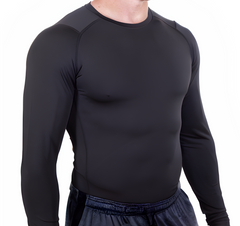

Before you read on, so you are not misled: Esteem Apparel makes compression shirts and tanks. We do not sell hernia support underwear, briefs, or trusses. A compression shirt ends at the hips, so it does nothing meaningful for an inguinal hernia at the groin, which is the most common type. If that is your hernia, the honest answer is that our products are not what you need. If your hernia is umbilical, epigastric or incisional, where a shirt actually covers, read Compression Shirts and Abdominal Hernias. Either way, surgery is the only repair and diagnosis comes before shopping.
Hernias can be a painful and uncomfortable condition to deal with. Whether you have an inguinal hernia, umbilical hernia, or any other type, finding the right support is crucial for your comfort and well-being.
Understanding Different Types of Hernias
Before diving into support options, it is important to understand the different types of hernias. A hernia occurs when an organ or tissue pushes through a weak spot in the surrounding muscle or connective tissue.
The most common types include inguinal hernias (groin), femoral hernias (upper thigh), umbilical hernias (navel), and incisional hernias (through an old surgical scar).
Understanding your specific type matters more than any product comparison, because the location decides what kind of garment can reach it at all. Groin and upper-thigh hernias need underwear, briefs or a truss. Navel, upper-abdominal and incisional hernias sit where a shirt or tank covers.
The Importance of Wearing Proper Support
Wearing supportive garments can help reduce discomfort and provide stability throughout the day. Traditional hernia underwear is designed to apply targeted pressure at a specific site, and for groin hernias there is no substitute for it.
Some men find these options bulky, restrictive, or difficult to wear under everyday clothing. That is a real trade-off worth weighing, but it does not change where each garment can physically help.
Factors to Consider When Choosing Support Garments
When choosing the right support garment, there are several key factors to consider.
First, location. This comes before everything else. A garment that does not cover the hernia site cannot support it, however good it is.
Second, consider the level of support you actually need. Some situations call for a device your doctor recommends. Others benefit from light to moderate compression that improves comfort and appearance without feeling restrictive.
Third, focus on material and wearability. Breathable, flexible fabrics that move with your body matter if you plan to wear the garment for extended periods.
Fourth, pay attention to fit. A garment should feel supportive, not overly tight. Pressing hard and locally into a hernia site can do more harm than good.
Hernia Underwear and Compression Shirts Are Not Competitors
Plenty of articles, including an earlier version of this one, frame this as a choice between the two. That framing is wrong and it sends people to the wrong product.
They cover different parts of the body:
- Inguinal or femoral hernia: hernia underwear, briefs, or a truss your doctor recommends. A compression shirt will not help.
- Umbilical, epigastric or incisional hernia: a compression shirt or tank can provide light, even support across the abdominal wall and make the bulge less prominent under clothing.
- Both: some men use both, for different reasons.
What a compression shirt offers in that second case is everyday wearability. It looks like an undershirt, it goes on once in the morning, and nobody can tell. What it does not offer is targeted pressure at a specific site, and it never repairs anything.
Tips for Finding the Right Fit
Finding the right fit is essential for both comfort and effectiveness.
Choose your measured size. Never size down for extra pressure, and least of all with a hernia.
Look for stretch fabrics that adapt to movement
Avoid overly tight garments that cause discomfort or press into the hernia site
Prioritise all-day wearability over maximum compression
The goal is not extreme tightness. The goal is controlled, comfortable, evenly distributed support.
How to Care for Your Compression Garments
Wash with mild detergent
Avoid bleach or harsh chemicals
Air dry when possible
Store in a clean, dry space
Frequently Asked Questions
Can compression shirts cure a hernia?
No. Surgical repair is the only cure. Compression shirts are not medical devices and do not treat, cure or prevent hernias.Will a compression shirt help my inguinal hernia?
No, not meaningfully. Shirts end at the hips. Inguinal support means underwear, briefs or a truss, and whether you need one is a question for your doctor.Do you sell hernia support underwear?
No. We make compression shirts and tanks only. This guide is here because the question deserves a proper answer, not because we have something to sell you at the end of it.Can I wear compression shirts during daily activities?
Many men do wear them throughout the day under regular clothing. If you have a hernia, check with your doctor first, and stop if you notice new pain or the bulge changes character.Are compression shirts a replacement for medical advice?
No. Always consult your healthcare provider for diagnosis and treatment.
Conclusion
Choosing the right support garment comes down to one question first, which is where your hernia actually is, and only then to comfort, wearability and appearance.
If your hernia sits at the groin, hernia underwear or a truss is the right category and we do not make one. If it sits at the navel or higher, a compression shirt can be a comfortable and discreet everyday layer while you and your doctor decide on repair.
If that is your situation, start with Compression Shirts and Abdominal Hernias, which covers the cautions that matter and which of our shirts cover which sites. You can also browse the compression collection.
Disclaimer: Esteem Apparel compression shirts are not medical devices and are not intended to diagnose, treat, cure, or prevent any medical condition. Always consult your healthcare provider before using compression garments for medical concerns.


